Transform Your Body: Benefits of Pilates Classes
Pilates has grown in popularity as a fitness method that shapes the body, improves posture, and enhances overall well-being. If you want to transform your body in a way that builds strength, flexibility, and balance, Pilates classes offer a practical and effective path. This post explores how Pilates can change your body and mind, with clear examples and tips to get started.

What Makes Pilates Different from Other Workouts
Pilates focuses on controlled movements that engage the core muscles deeply. Unlike high-impact workouts, Pilates emphasizes precision, breathing, and alignment. This approach helps develop long, lean muscles rather than bulky ones. It also reduces the risk of injury by improving body awareness and joint stability.
Key features of Pilates include:
Core engagement: Every movement targets the deep abdominal muscles.
Breath control: Coordinated breathing supports movement and relaxation.
Alignment focus: Proper posture is maintained throughout exercises.
Low-impact: Gentle on joints, suitable for all fitness levels.
Mind-body connection: Encourages concentration and body awareness.
These elements combine to create a workout that reshapes the body while promoting better movement habits.
How Pilates Transforms Your Body
Builds Core Strength and Stability
A strong core supports every movement you make. Pilates targets muscles around the abdomen, lower back, hips, and pelvis. This foundation improves posture and reduces back pain. For example, exercises like the “Hundred” or “Plank” strengthen the transverse abdominis, which stabilizes the spine.
Improves Flexibility and Muscle Tone
Pilates stretches and strengthens muscles simultaneously. This balance helps lengthen tight muscles and tone weak ones. Over time, you’ll notice improved range of motion and a more sculpted appearance. Movements such as the “Saw” or “Spine Stretch” increase spinal flexibility and hamstring length.
Enhances Posture and Alignment
Poor posture can cause discomfort and affect your confidence. Pilates trains your body to hold itself correctly by strengthening postural muscles. This leads to a taller, more aligned stance. For instance, the “Roll Up” exercise encourages spinal articulation and awareness of posture.
Supports Joint Health and Mobility
Because Pilates is low-impact, it protects joints while improving their function. It strengthens muscles around joints, providing better support and reducing wear. This is especially helpful for people with arthritis or recovering from injury. Exercises like “Leg Circles” promote hip joint mobility without strain.
Boosts Balance and Coordination
Pilates challenges your balance by requiring control and precision. This improves coordination and body control, which benefits daily activities and other sports. Standing exercises or movements on one leg, such as “Standing Leg Lift,” train your body to stabilize itself effectively.
Mental Benefits of Pilates
Pilates is not just physical; it also nurtures mental well-being. The focus on breath and movement creates a calming effect, reducing stress and anxiety. Concentrating on precise movements improves mindfulness and body awareness. Many practitioners report feeling more centered and energized after classes.
Who Can Benefit from Pilates
Pilates suits a wide range of people, from beginners to athletes. It adapts to different fitness levels and goals. Here are some examples:
Beginners looking for gentle exercise to build strength.
Athletes wanting to improve core stability and prevent injury.
Seniors needing low-impact workouts to maintain mobility.
People with back pain seeking rehabilitation and posture correction.
Anyone aiming to improve flexibility, balance, and muscle tone.
What to Expect in a Pilates Class
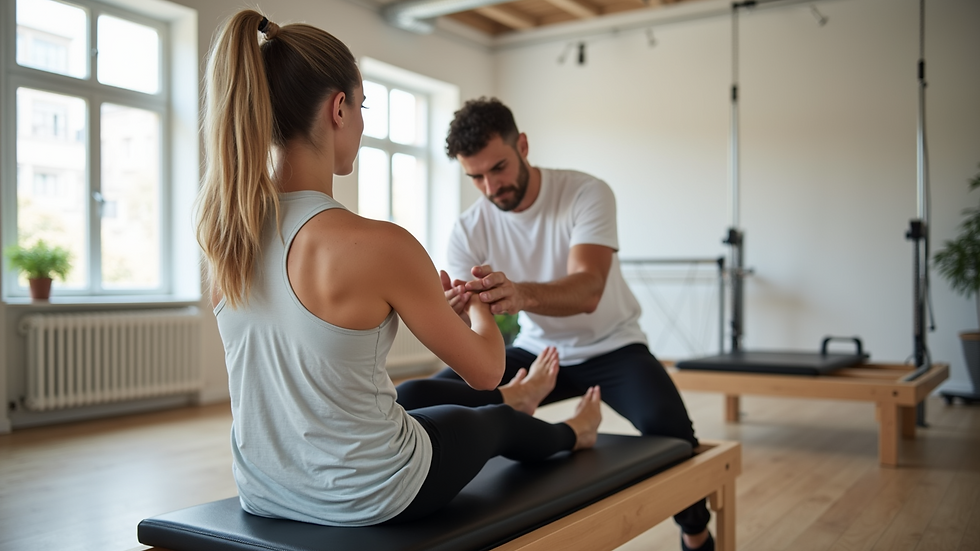
Pilates classes usually last 45 to 60 minutes and can be mat-based or use specialized equipment like the Reformer. A typical session includes:
Warm-up focusing on breath and gentle stretches.
Core-focused exercises with controlled movements.
Stretching and cool-down to relax muscles.
Instructors guide you through each movement, emphasizing form and breathing. Classes often start with beginner-friendly exercises and progress as you build strength.
Tips for Getting the Most from Pilates
Focus on form: Quality matters more than quantity. Perform movements slowly and precisely.
Breathe deeply: Use breath to support movement and stay relaxed.
Be consistent: Regular practice, at least 2-3 times a week, yields the best results.
Listen to your body: Modify exercises if you feel pain or discomfort.
Use props: Pilates balls, bands, or blocks can enhance your workout.
Real-Life Example: Sarah’s Pilates Journey
Sarah, a 35-year-old office worker, struggled with back pain and poor posture. After starting Pilates twice a week, she noticed significant improvements within three months. Her core strength increased, reducing her back discomfort. She also gained flexibility and felt more confident standing tall. Pilates helped her develop a healthier relationship with her body and movement.
Getting Started with Pilates
If you want to try Pilates, look for local studios or gyms offering beginner classes. Many places provide introductory sessions to learn the basics. You can also find online classes if you prefer practicing at home. Choose a certified instructor who can tailor exercises to your needs.
Final Thoughts
Pilates offers a balanced approach to fitness that transforms your body by building strength, flexibility, and posture. It supports joint health and enhances mental focus, making it a holistic workout. Whether you want to relieve pain, tone muscles, or improve balance, Pilates classes provide a practical way to achieve your goals. Start your Pilates journey today and experience the benefits firsthand.

Comments