Experience Unique Pilates Programming for All Levels
Pilates offers a powerful way to improve strength, flexibility, and body awareness. Yet, many people hesitate to try it because they think it’s only for advanced athletes or those with prior experience. The truth is Pilates can be tailored to fit anyone’s needs, whether you are a beginner or have practiced for years. Unique Pilates programming opens the door to personalized workouts that challenge and support you at every stage.
This post explores how Pilates programs can be designed to suit all levels, what makes these programs unique, and how you can benefit from them. If you want to discover a fitness method that grows with you, read on.
What Makes Pilates Programming Unique
Pilates is not a one-size-fits-all workout. Its core principles focus on controlled movements, breathing, and alignment. Unique Pilates programming takes these principles and adapts them to individual goals, abilities, and limitations. This approach differs from generic classes where everyone follows the same routine.
Key features of unique Pilates programming include:
Personalized assessment to understand your current fitness level and any physical restrictions.
Progressive exercises that build strength and flexibility gradually.
Varied equipment use, such as reformers, mats, and resistance bands, to keep workouts engaging.
Focus on mind-body connection to improve posture, balance, and coordination.
Incorporation of rehabilitation techniques for injury prevention and recovery.
By focusing on these elements, instructors create a program that feels tailored and effective, no matter your starting point.
Pilates for Beginners: Building a Strong Foundation
Starting Pilates can feel intimidating if you are new to exercise or have never tried it before. Unique programming for beginners focuses on teaching the basics clearly and safely.
What to Expect in a Beginner Program
Introduction to core principles such as breathing, alignment, and controlled movement.
Simple exercises that target key muscle groups without overwhelming complexity.
Slow progression to build confidence and avoid injury.
Emphasis on form rather than speed or intensity.
Supportive environment where questions and adjustments are encouraged.
Example Beginner Exercises
Pelvic tilts to engage the lower abdominal muscles.
Spine stretch to improve flexibility and posture.
Leg circles to increase hip mobility.
Breathing exercises to connect movement with breath.
These exercises lay the groundwork for more advanced Pilates moves later on.
Intermediate Pilates: Enhancing Strength and Flexibility
Once you have mastered the basics, intermediate Pilates programming introduces more challenging exercises and combinations. This level focuses on increasing strength, endurance, and control.
Features of Intermediate Programs
Increased complexity in movements, including coordination of multiple muscle groups.
Use of Pilates equipment like reformers or stability balls for resistance and support.
Incorporation of balance and stability challenges.
Longer sessions with varied routines to prevent plateaus.
Focus on muscle endurance and flexibility improvements.
Sample Intermediate Moves
Teaser to strengthen the core and improve balance.
Side kicks for hip strength and control.
Plank variations to build upper body and core endurance.
Roll-ups to enhance spinal articulation.
Intermediate Pilates helps you move beyond basic fitness and develop a strong, flexible body.

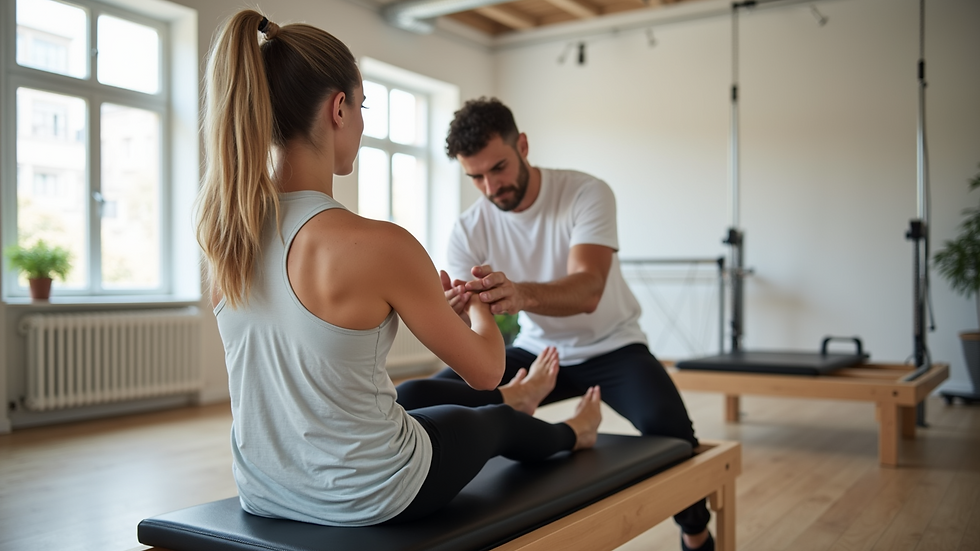
Pilates reformer session focusing on leg stretches and core control
Advanced Pilates: Mastering Control and Precision
Advanced Pilates programming is designed for those who have a solid foundation and want to push their limits. This level demands high control, precision, and body awareness.
Characteristics of Advanced Programs
Complex sequences that require strength, flexibility, and coordination.
Increased use of Pilates apparatus for resistance and challenge.
Focus on precision and flow between movements.
Inclusion of dynamic exercises that test balance and control.
Customization to specific goals, such as athletic performance or injury prevention.
Examples of Advanced Exercises
Control balance to improve core strength and balance.
Jackknife for spinal flexibility and abdominal strength.
Boomerang combining multiple Pilates principles in one flow.
Advanced plank variations with leg and arm movements.
Advanced Pilates demands dedication but offers rewarding improvements in body control and fitness.
Benefits of Unique Pilates Programming for All Levels
No matter your experience, unique Pilates programming offers benefits that go beyond traditional workouts.
Improved posture by strengthening deep core muscles.
Increased flexibility through controlled stretching.
Enhanced body awareness leading to better movement patterns.
Reduced risk of injury by focusing on alignment and control.
Stress relief through mindful breathing and movement.
Adaptability to individual needs, making Pilates accessible for all.
Many people find that Pilates helps them recover from injuries or manage chronic pain by strengthening muscles that support joints.
How to Choose the Right Pilates Program for You
Finding a Pilates program that fits your level and goals is key to success.
Tips for Selecting a Program
Look for certified instructors who offer personalized assessments.
Choose programs that offer progression from beginner to advanced.
Consider your goals: Are you looking for rehabilitation, general fitness, or athletic training?
Check class size to ensure you get enough individual attention.
Try a trial class to see if the teaching style suits you.
Many studios offer private sessions or small group classes that allow for more customization.
Incorporating Pilates into Your Fitness Routine
Pilates complements many other forms of exercise and can be integrated easily into your weekly schedule.
Combine Pilates with cardio like walking or cycling for overall fitness.
Use Pilates for active recovery on rest days.
Focus on Pilates during injury recovery to maintain strength without strain.
Practice Pilates regularly to see lasting improvements in posture and flexibility.
Even 2-3 Pilates sessions per week can make a noticeable difference in your strength and well-being.
Pilates offers a unique path to fitness that adapts to your needs and grows with you. Whether you are just starting or looking to deepen your practice, unique Pilates programming provides the tools and guidance to help you succeed. Explore local classes or online programs that emphasize personalized instruction and progressive challenges. Your body will thank you for the strength, flexibility, and balance Pilates brings.
Start your Pilates journey today and experience how this mindful movement method can transform your fitness and daily life.

Comments